
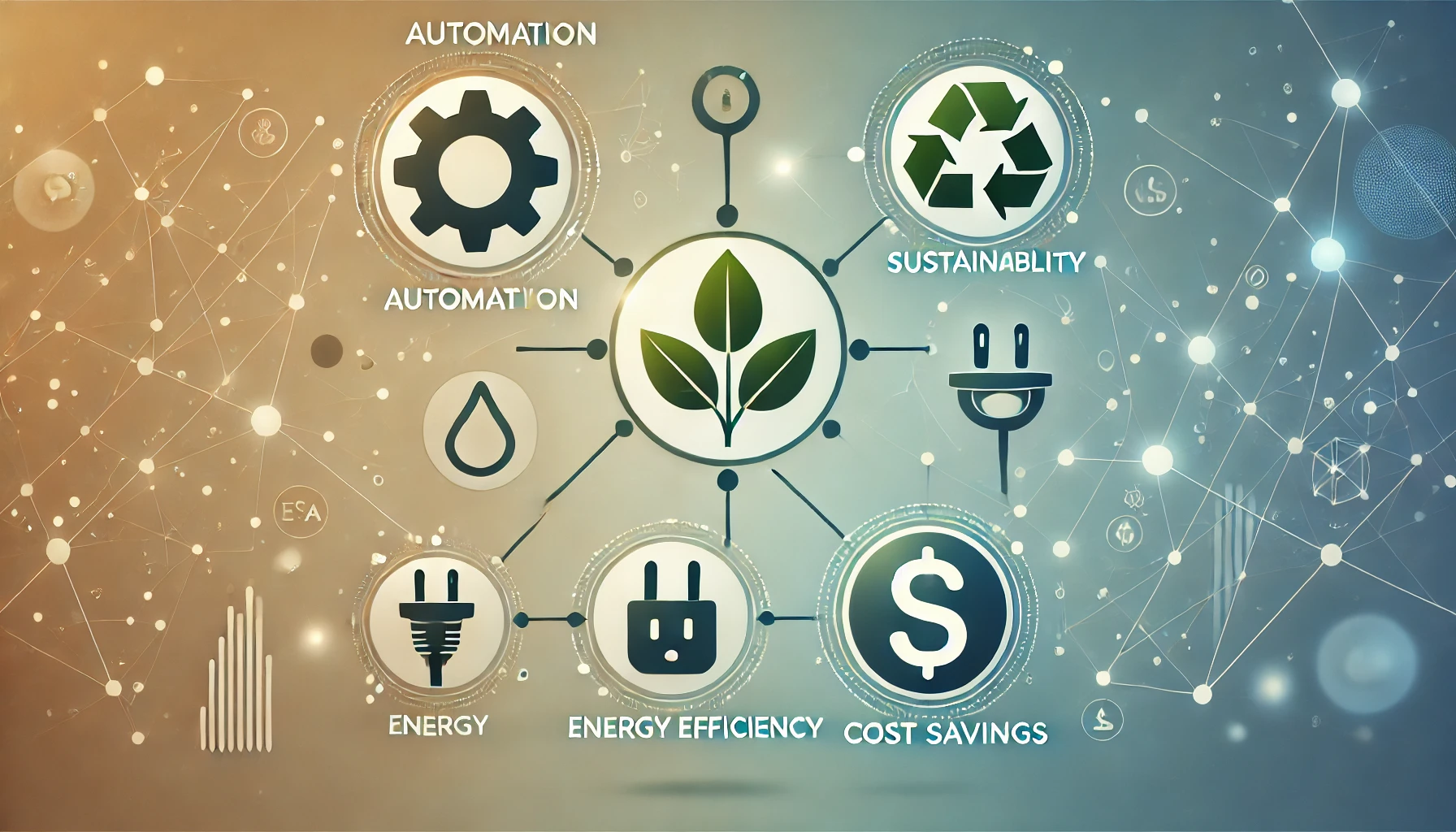
In recent years, the conversation surrounding climate change and environmental sustainability has shifted from a niche concern to a mainstream imperative.
As global industries adapt to meet forthcoming ESG (Environmental, Social, and Governance) legislation—particularly in Europe and other leading markets—the IT sector faces growing scrutiny over its carbon footprint.
While traditionally viewed as a relatively “clean” industry, IT’s environmental impact is significant and rising, driven by the exponential growth of data centers, cloud computing, and electronic manufacturing.
The IT sector’s carbon footprint is not just a moral or regulatory obligation, but also a strategic opportunity for companies to future-proof their operations and remain competitive.
Across Europe, stringent ESG legislation is coming into effect. The European Union’s Corporate Sustainability Reporting Directive (CSRD), for instance, mandates that companies report detailed information on their environmental impacts, including carbon emissions. Similar frameworks are being adopted worldwide, driven by the Paris Agreement’s goals to limit global warming. For IT companies that operate globally, this creates a patchwork of compliance requirements, necessitating proactive measures to avoid penalties, reputational damage, and potential exclusion from ESG-conscious investment portfolios.
Software companies, in particular, may find themselves indirectly affected as part of larger supply chains. As enterprise clients in manufacturing, retail, and finance face pressure to meet ESG targets, they are increasingly scrutinizing their vendors, including software providers, for environmental responsibility. The ability to demonstrate low-carbon operations and alignment with sustainability goals is fast becoming a prerequisite for doing business.
1. Regulatory Compliance and Risk Mitigation
Adopting sustainable practices helps IT companies stay ahead of evolving regulations, reducing the risk of non-compliance penalties and reputational damage. Companies that act proactively can establish themselves as industry leaders, shaping standards rather than reacting to them.
2. Cost Savings Through Efficiency
Reducing energy consumption through sustainable practices often leads to significant cost savings. Energy-efficient data centers, powered by renewable energy, can dramatically lower operational expenses. Similarly, investing in efficient software design can reduce computational loads, cutting costs for both developers and end-users.
3. Market Differentiation and Client Retention
As ESG considerations grow in importance, businesses that prioritize sustainability are more attractive to both clients and investors. Demonstrating a commitment to reducing carbon emissions can serve as a key differentiator, particularly for software companies seeking long-term contracts with ESG-focused enterprises.
4. Talent Attraction and Retention
Employees increasingly prioritize working for companies that align with their values. A strong commitment to sustainability can help IT companies attract and retain top talent, particularly among younger generations who are more environmentally conscious.
5. Innovation and Competitive Advantage
Sustainability drives innovation. From developing low-energy algorithms to designing modular, recyclable hardware, focusing on sustainability fosters creativity and technological advancements that can provide a competitive edge.
To successfully reduce their carbon footprint, IT companies must take a multi-faceted approach:
Reducing the IT sector’s carbon footprint is not merely a compliance exercise; it is a strategic imperative with far-reaching benefits.
From regulatory compliance and cost savings to innovation and talent attraction, the case for sustainability is clear.
As forthcoming ESG legislation reshapes the global business landscape, IT companies that prioritize environmental responsibility will position themselves as leaders in the transition to a greener economy.
By taking action now, the IT sector can not only mitigate its environmental impact but also unlock new opportunities for growth and innovation in a world increasingly defined by sustainability.

5 Boundary Road, Hove, East Sussex. BN3 4EH. United Kingdom.