
What GreenCode has produced so far, from peer-reviewed research and public deliverables to open source software, and where the measured results of the project's use cases will be published as they complete.
GreenCode runs until September 2027, and its results arrive in stages: research first, then the pipeline's components, then the measured outcome of running them on real systems. This is what the project has produced so far.
The measured results of the use cases, the energy each system drew before and after optimisation under the same workload, will be published on this page as each use case completes, with the method behind every figure.
Software released by GreenCode researchers under an open licence. The pipeline's own components are in development and will be listed here as they are released.
A benchmark for evaluating large language models on generating code that is both correct and energy-efficient. It measures the energy the generated programs actually use, not only whether they pass their tests.
Its authors have since carried the measurement work into green-languages, a command-line tool that measures the energy of whole programs or marked code sections across programming languages. See green-languages.
The project's public deliverables, free to download and cite. Each has its own page with a synopsis and ready-made citations.

D2.1 · 182 pages · issued 2025-12
The consortium's review of the state of the art in energy-efficient software, drawing on more than 70 contributors across the partner organisations.
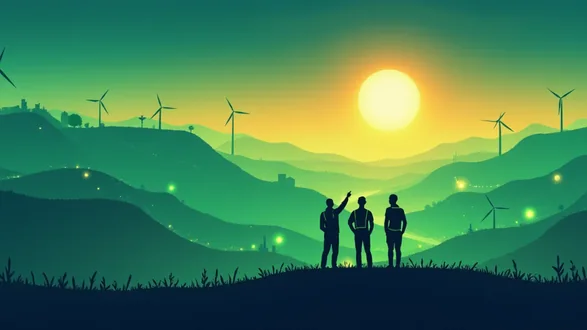
D2.3 · 3 pages · issued 2025-12
A short statement of what GreenCode is for.
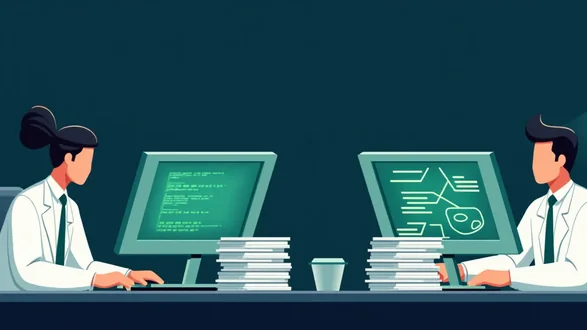
D3.1 · 38 pages · issued 2025-12
The first annual state-of-the-art review from work package 3, which builds the code analysis, quality assurance and artefact generation parts of the GreenCode pipeline.