
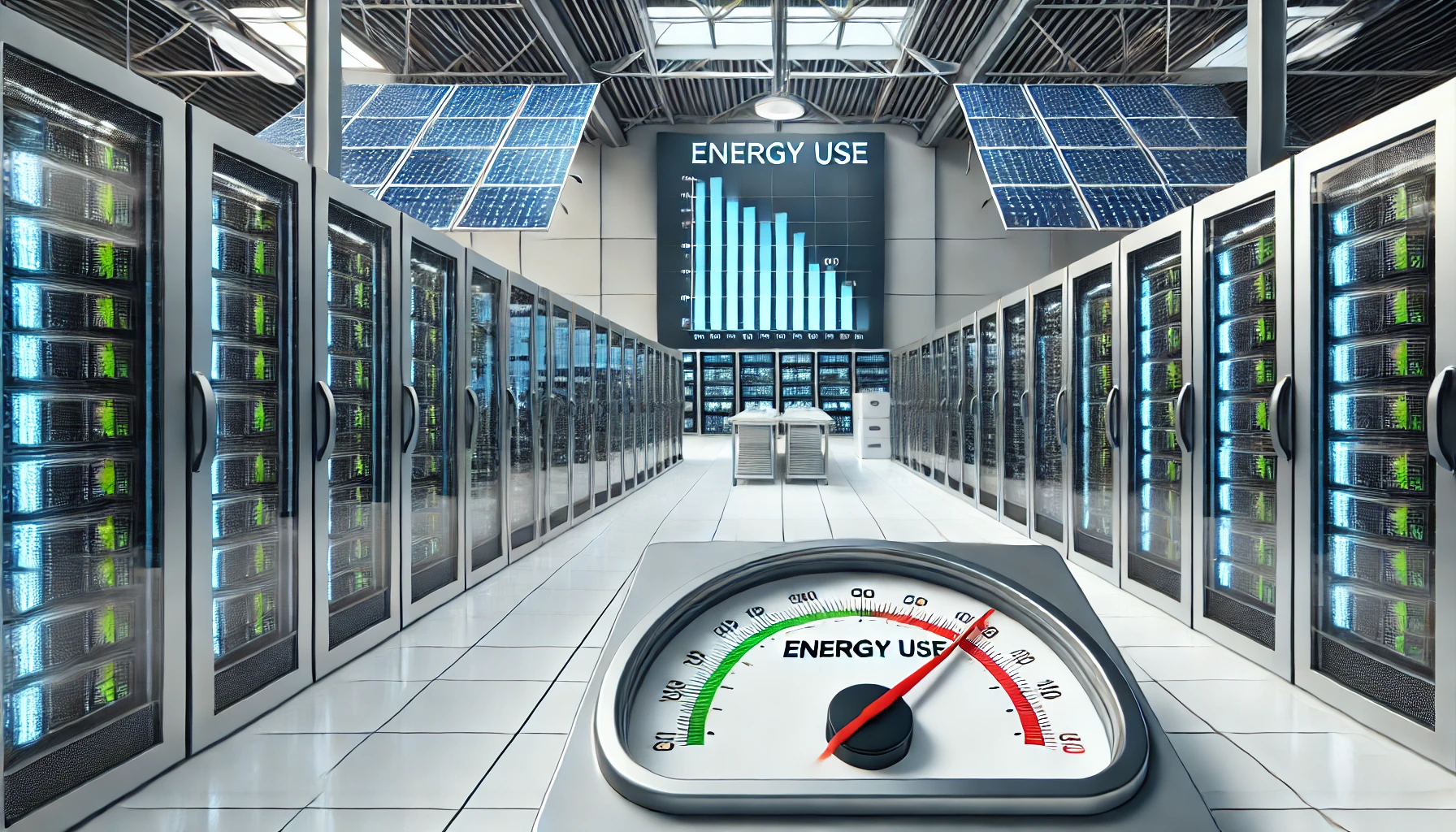
In a world increasingly reliant on digital infrastructure, the energy efficiency of IT systems has become a critical concern.
Optimizing software performance offers a practical and impactful way to reduce energy consumption in IT systems.
This approach yields benefits that extend beyond cost savings, touching on issues like device longevity, climate resilience, and even the stability of critical systems during crises such as wars or natural disasters.
Rising energy costs are a concern for businesses, governments, and individuals alike. By optimizing software to use fewer computational resources, IT systems can operate more efficiently, reducing power consumption. This is particularly important for data centers, which consume vast amounts of electricity. For enterprises, these savings translate directly into lower operational costs, freeing up resources for innovation or expansion.
Additionally, energy savings have a compounding effect when applied across millions of devices. For example, software that reduces CPU or GPU utilization can extend the battery life of mobile devices, laptops, and IoT hardware, enhancing the user experience and reducing the need for frequent recharging.
High energy consumption often generates excessive heat, which accelerates wear and tear on hardware components. By optimizing software to be energy-efficient, the thermal load on devices decreases, potentially extending their operational lifespan. For organizations managing large fleets of devices, this can lead to significant savings in replacement costs and reduce e-waste, contributing to a more sustainable IT lifecycle.
The IT sector is a major contributor to global energy consumption, and by extension, carbon emissions. Optimized software can reduce the environmental impact of IT operations, aligning with global sustainability goals and corporate social responsibility initiatives. This is particularly relevant as companies strive to meet net-zero emissions targets and comply with increasingly stringent environmental regulations.
Moreover, reduced energy use supports climate resilience by lessening the strain on power grids, particularly during extreme weather events when energy demand spikes. Energy-efficient IT systems can help maintain operational continuity during such events, which is critical for emergency services and disaster response.
As the adoption of AI, cloud computing, and IoT accelerates, the demand for computational resources is growing exponentially. Energy-efficient software can help organizations scale their operations without proportionally increasing energy consumption or infrastructure costs. This is especially vital for startups and small businesses with limited resources.
By optimizing software, IT systems can handle higher workloads with existing hardware, delaying or even eliminating the need for costly upgrades. This approach not only saves money but also reduces the environmental impact associated with manufacturing and deploying new hardware.
Energy-efficient IT systems are inherently more resilient during times of war, natural disaster, or other crises. In scenarios where power availability is limited or unreliable, optimized software ensures that critical systems can function for longer on backup power supplies. For instance:
These benefits are especially relevant for organizations managing critical infrastructure, such as hospitals, transportation networks, and utilities.
Poorly performing software can have a significant impact on High-Performance Computing (HPC) clusters, which are widely used in academic and research settings. Energy inefficiency in such environments leads to wasted computational resources, increased operational costs, and lower overall throughput. The implications include:
By prioritizing software performance optimization, academic institutions can not only reduce their environmental impact but also enhance their ability to advance science and address global challenges more effectively.
Energy-efficient software is especially critical for energy-constrained systems such as electric vehicles (EVs), Internet of Things (IoT) devices, and AI applications at the edge. These systems operate under strict power limitations, and any inefficiency can severely impact their performance and usability. The implications include:
By improving energy efficiency in these domains, organizations can unlock new possibilities for innovation while addressing critical challenges like sustainability and scalability.
Organizations that prioritize energy efficiency through software optimization can gain a competitive edge. Consumers and investors increasingly favor companies demonstrating environmental responsibility. Energy-efficient IT operations can enhance an organization’s reputation, attracting eco-conscious customers and stakeholders.
Several companies have already embraced software optimization for energy efficiency. Examples include:
Software performance optimization offers a powerful lever to reduce the energy consumption of IT systems. The benefits are multifaceted, ranging from cost savings and improved hardware longevity to enhanced climate resilience and crisis readiness. By prioritizing energy efficiency, organizations can address rising energy costs, align with sustainability goals, and ensure the reliability of critical systems in the face of global challenges.
As the demand for computational resources continues to grow, optimizing software for energy efficiency isn’t just an option; it’s a necessity for a sustainable, resilient future.
something 1
something 2

5 Boundary Road, Hove, East Sussex. BN3 4EH. United Kingdom.