GreenCode is a first of a kind software decarbonisation pipeline that aims to reduce the climate impact of computing at scale.
We address the root cause of IT industry emissions: The efficiency of software and how it it is run.
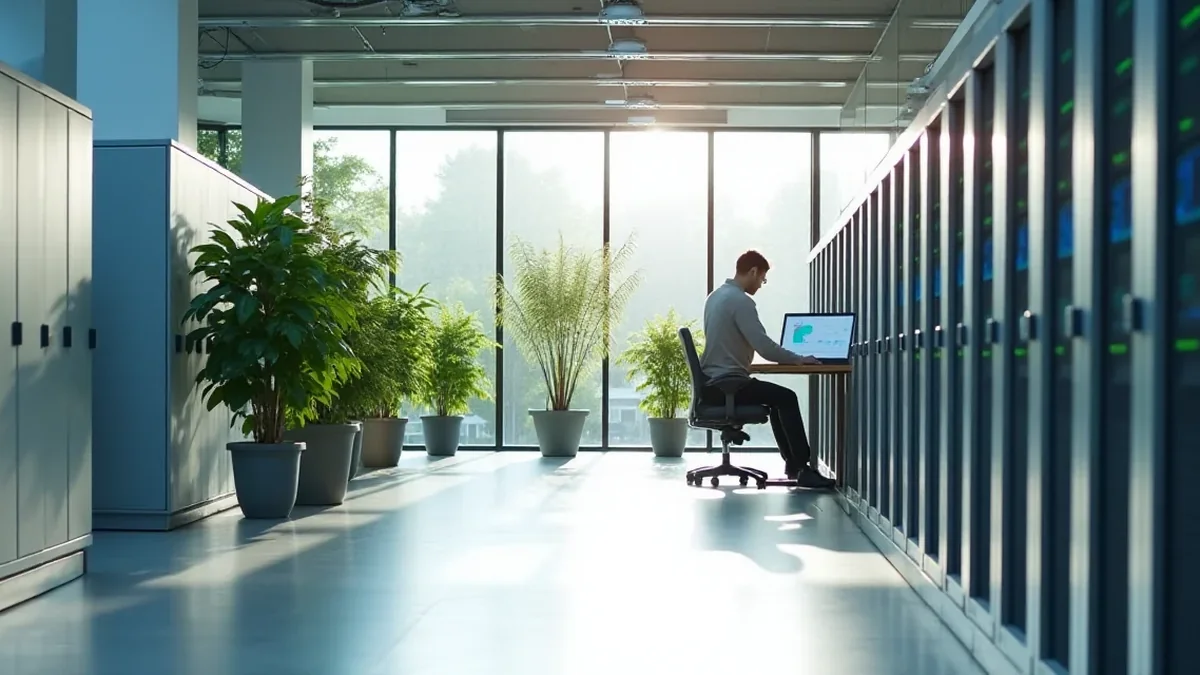
ExploreGreenCode reduces the TCO and climate impact of IT through the quality and performance optimisation of software. Datacentres, hospitals, factories, electric vehicles and more achieve increased sustainability and reliability through optimised software solutions.

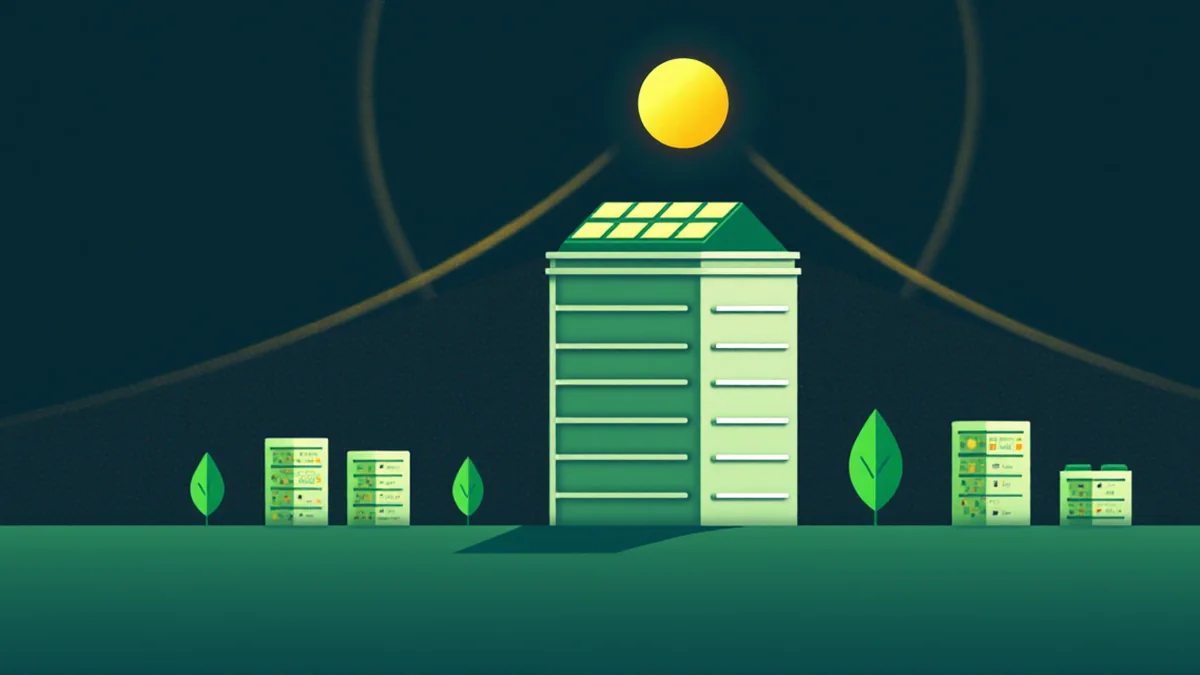
Software energy waste is the root cause of ICT's operational emissions. GreenCode cuts it at source, then rates and certifies the result so the reduction can be reported and relied on.

GreenCode measures the energy a software system actually uses, finds the code and infrastructure hotspots responsible, and optimises them, targeting a saving of more than 15% per project.

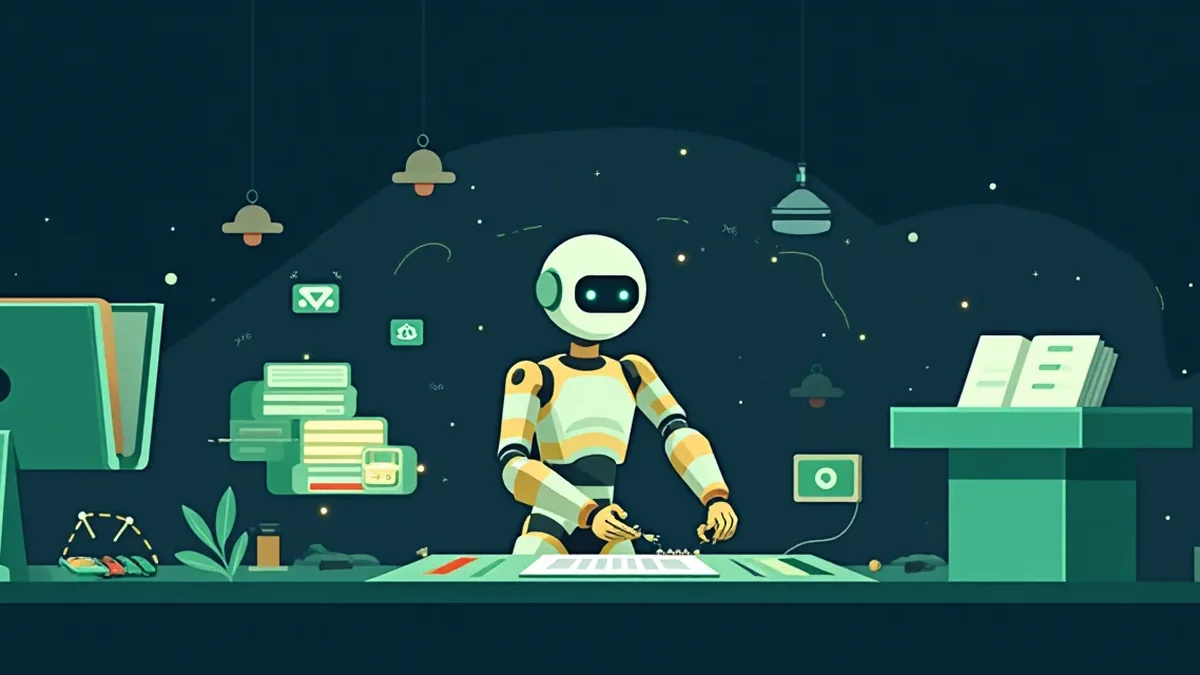
GreenCode automates the QA, test and documentation work that developers do by hand or skip, and builds energy measurement into the pipeline, so teams spend less time on maintenance and more on features.

GreenCode maps a codebase, generates the tests and documentation it lacks, automates remediation and load testing, and returns reviewable pull requests, so teams spend less time on scaffolding and more on features.
GreenCode benefits software developers, owners and commissioners by helping them to deliver reliable, energy efficient, software systems.
Industrial and academic views on green software and sustainable computing

Measured per individual task, the energy efficiency of AI is improving at a rate unprecedented in energy history. Software and hardware advances have resulted in the energy use per AI task dropping by at least an order of magnitude annually in recent years.

The need for sustainable software and AI has never been more urgent. … We are now at a defining moment where sustainability must become a core design principle of every software and AI system.

To ensure that the digital transformation truly works for our society, we must address the growing energy demand of data centres. Understanding their energy and resource consumption is the essential first step towards integrating them sustainably into our energy system. Digital sovereignty must go hand in hand with energy responsibility.

While digital technologies offer immense potential for climate action, their rising energy demands and emissions cannot be overlooked. Environmental sustainability must be built into how we design, power and scale the technologies shaping our shared digital future.

But AI is also hungry for land, water and power. The data centres behind it already consume more electricity than most nations. By 2030, they could use more power than all but five countries – and enough water to meet the basic needs of all 1.3 billion residents of sub-Saharan Africa for an entire year.

Gartner identifies energy-efficient computing as one of the top strategic tech trends that will help CIOs and IT leaders shape the future with responsible innovation in 2025.

The power demands of data centers will continue to increase exponentially over the next five years. This is a huge issue for both the planet and data center builders and operators. Data centers exist to run software (including distributed ledger technology and AI). It will become increasingly important to understand and optimize the performance of both software and hardware to ensure power and sustainability considerations are met.

Artificial intelligence is ushering in a new era of infrastructure and energy.
As data centres and compute are built at scale, they are driving an unprecedented demand for energy. In turn, the world is witnessing a massive mobilisation of capital towards clean technology. Geothermal, solar, wind and new forms of ocean power are being developed. But one of the most significant implications is that nuclear is back.
IT impacts sustainability in many ways and in 2024 the leading consideration for most IT organisations is their carbon footprint.
The latest developments in and around the GreenCode Project