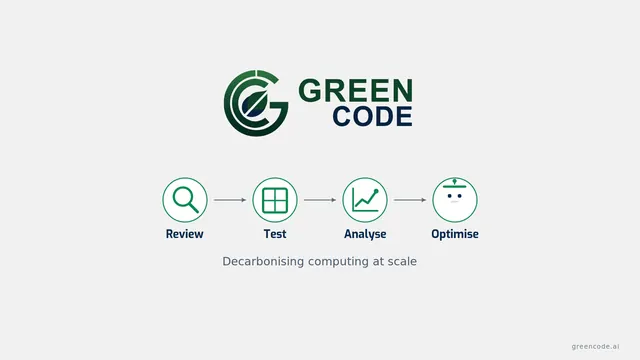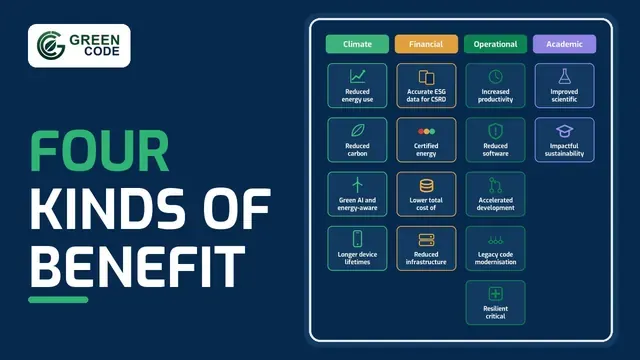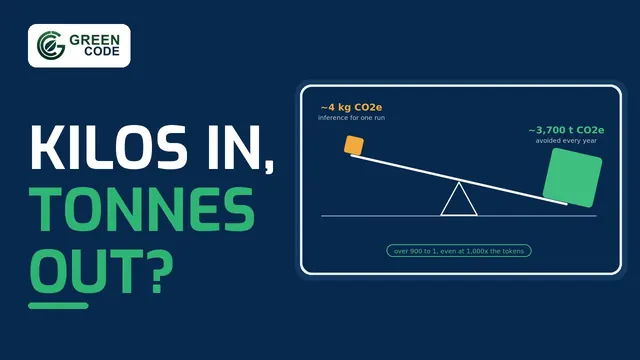
GreenCode's explainer films: the project, its benefits, the pipeline's features and the research, each with chapters and a full transcript.
Every GreenCode film on one page: what the project does, the benefits it is working towards, the features of the pipeline and the research behind it. Each film has its own page with chapters and the full transcript.
Overview film
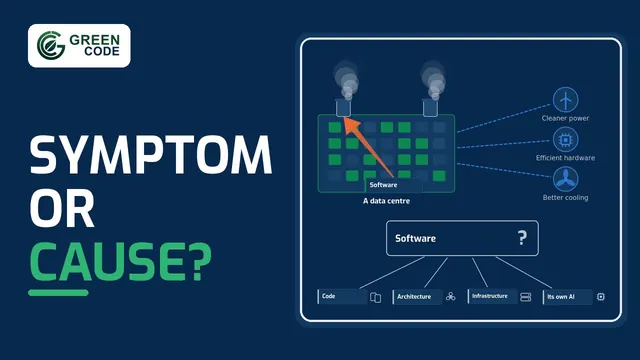
Better cooling, processors and power are all being built.
Overview film
Computing already emits about as much carbon as civil aviation, and most of that is electricity drawn while equipment is running.
Overview film
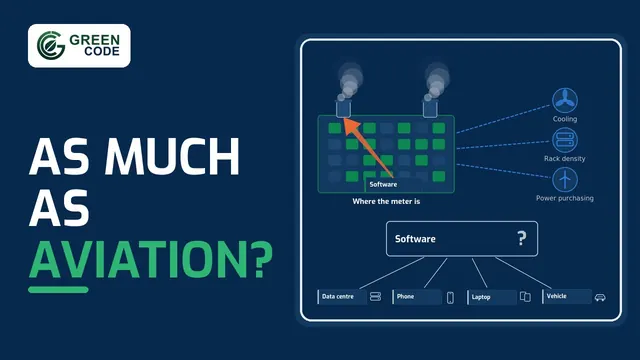
Computing already emits about as much carbon as civil aviation, and most of it is electricity spent running software.
Benefit film
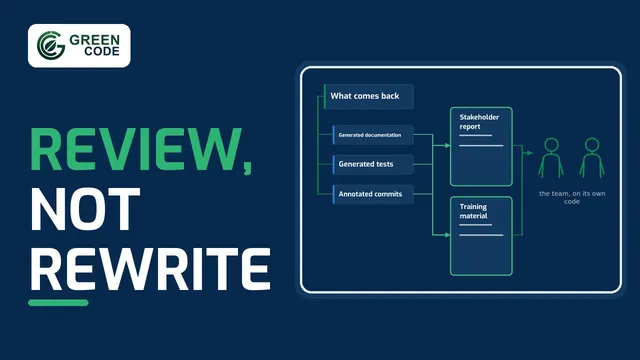
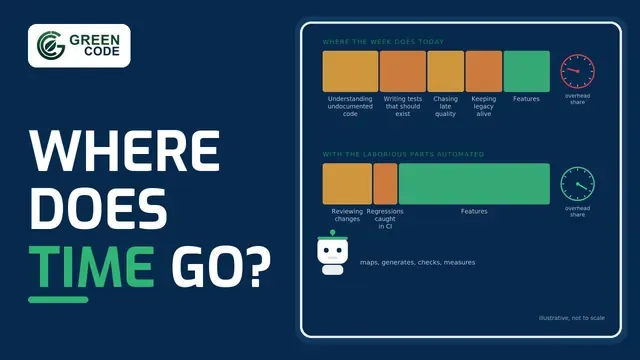
A large share of engineering time goes not on new code but on understanding old software, often with documentation incomplete or outdated.
Benefit film
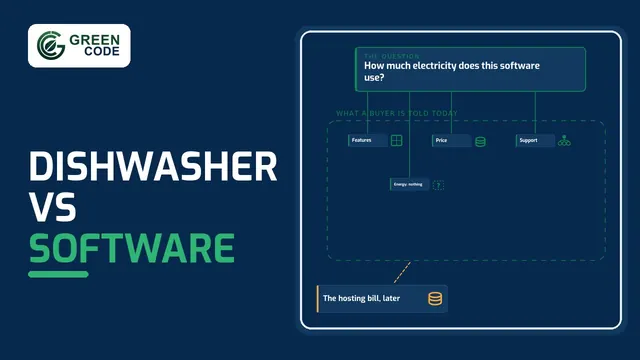
When an organisation buys a dishwasher it is told how much electricity the machine uses; when it buys software it is told nothing at all.
Benefit film
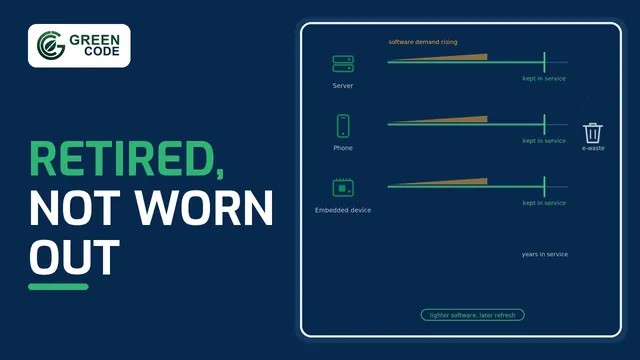
The world produced 62 million tonnes of electronic waste in 2022, and under a quarter of it was documented as formally collected and recycled.
Benefit film
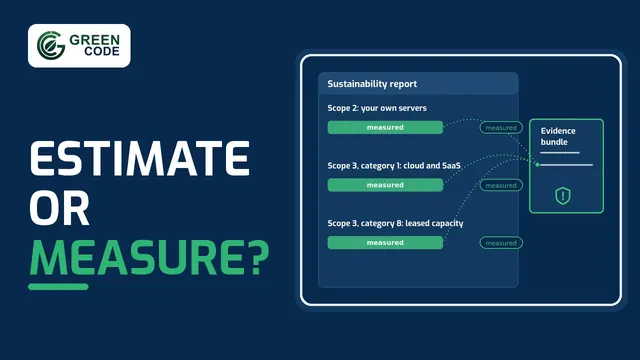
If your organisation reports under the EU's corporate sustainability directive, the electricity your software uses is already in the numbers you sign off, but usually…
Benefit film
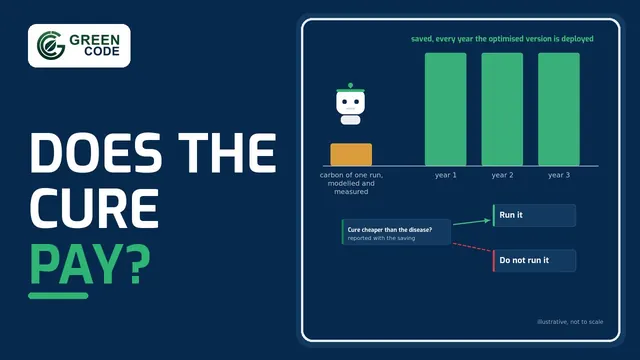
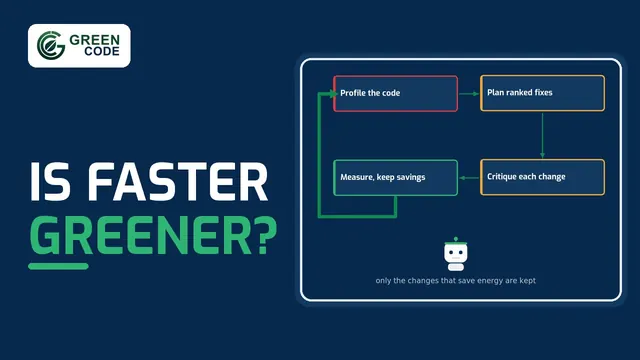
AI is the fastest-growing consumer of energy in the ICT sector, so any tool that uses AI to cut software energy has to prove the cure costs less than the disease.
Benefit film
Ask an engineering manager where the team's time goes and the answer is rarely new features.
Benefit film
By published estimates, most software in service is legacy, and in banking and healthcare systems written decades ago still carry the transactions and the patient…
Benefit film
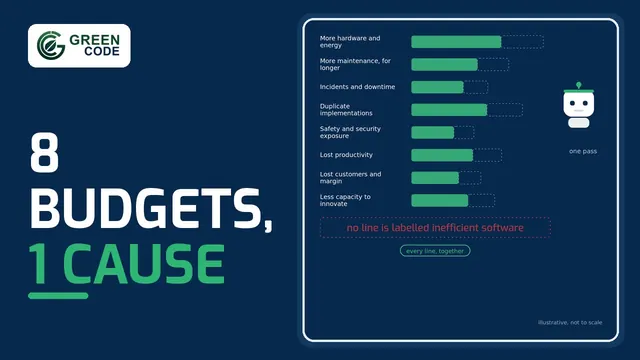
The cost of inefficient software is spread across many budgets, from hosting and energy to incidents, security and lost productivity, so no single line ever shows it.
Benefit film
The ICT sector's emissions are already comparable to aviation's, and they are projected to keep rising.
Benefit film
Every line of code that runs costs electricity, and a computer or server can only be as energy efficient as its software allows.
Benefit film
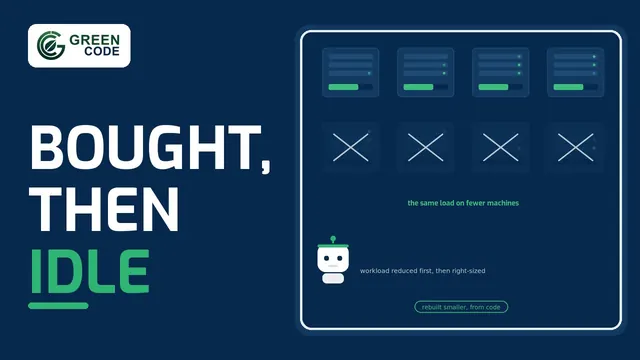
Infrastructure is bought for the moment software demands the most, and by published estimates cloud servers are active only 10 to 30% of the time.
Benefit film
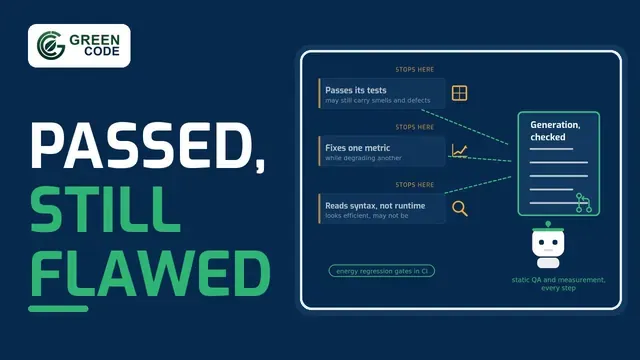
Software defects are an operating cost as well as a delivery problem, and poor code quality can signal weak performance and wasted energy.
Benefit film
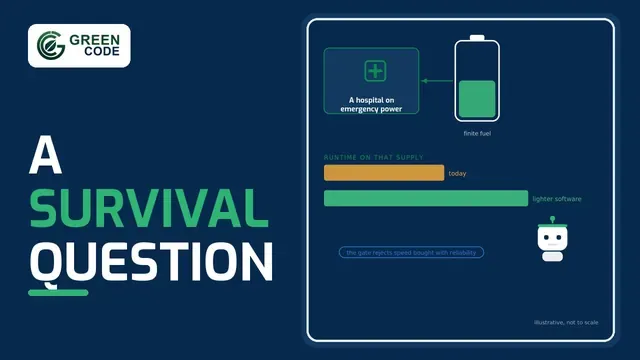
In hospitals, aircraft and electric vehicles, software efficiency is a survival question: a system that draws less power runs longer on whatever reserve is left.
Benefit film
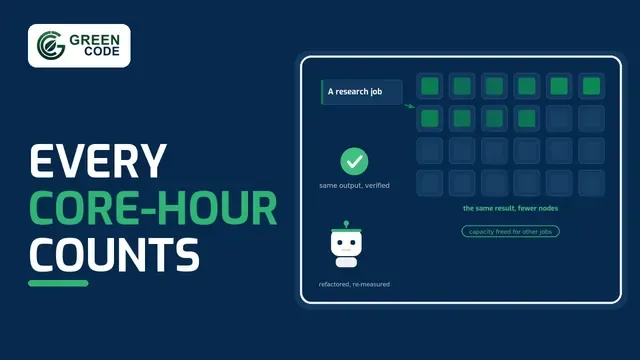
In research computing, a wasteful inner loop is multiplied by every core-hour a job runs, and much scientific software has never been profiled for energy.
Benefit film
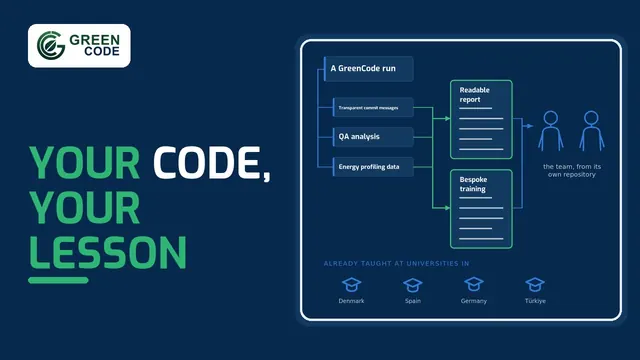
Most software engineers have never been taught how their design choices affect energy use.
Feature film
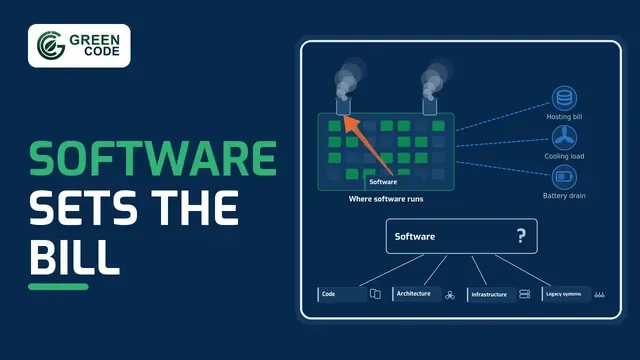
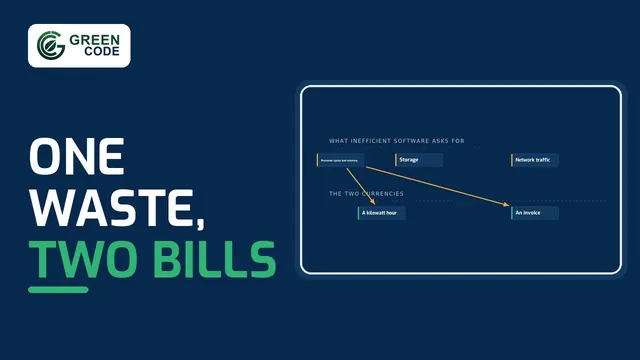
Inefficient software asks for more processing, memory, storage and network traffic than the job needs, and every request becomes both a kilowatt-hour and an invoice.
Feature film
A data centre does not consume electricity; the software it runs does, and the building is simply where the meter is.
Feature film
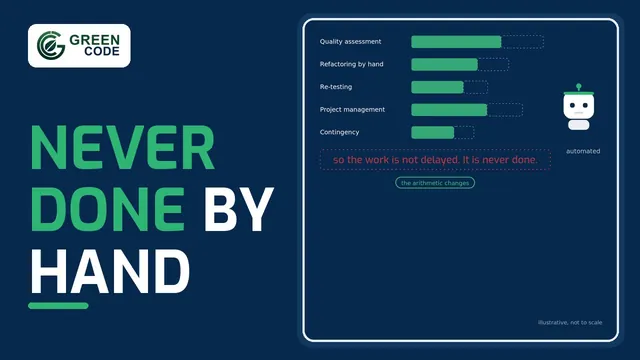
Most software in use today is legacy, and clearing its technical debt by hand can take four engineers most of a year for an ordinary application.
Feature film
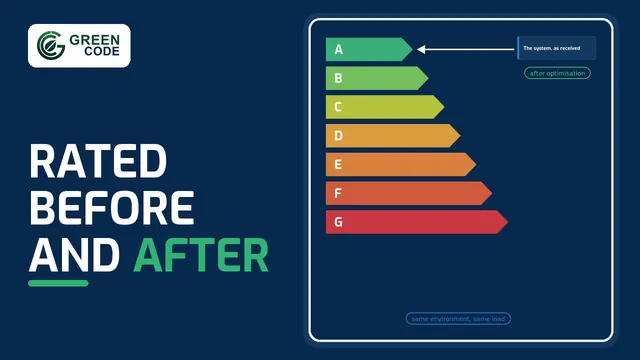
Almost every energy-using product sold in Europe carries a rating anyone can read at a glance; software carries nothing.
Feature film
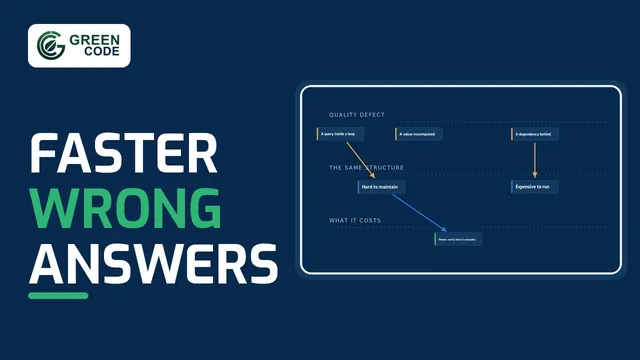
The structures that make software hard to maintain are usually the ones that make it expensive to run.
Article film
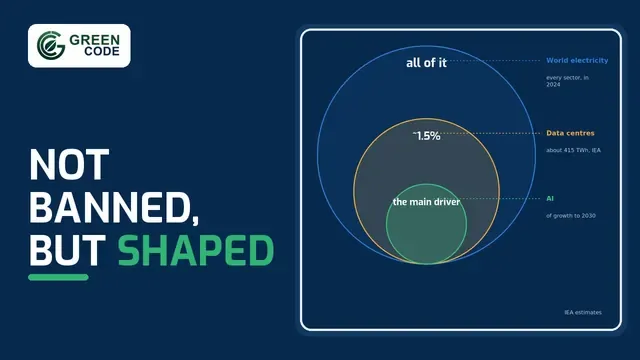
AI is growing fast, and so is the electricity behind it: data centre use worldwide is expected to more than double by the end of the decade, with AI the biggest driver.
Article film
Data centres already use around one and a half per cent of the world's electricity, a share expected to more than double by the end of the decade.
Article film
On one national university cluster, about half the energy went on jobs that ended unsuccessfully, though not all of it was wasted.
Short practical advice for greener software comes as GreenCode Tech Tips. The films are also on YouTube.