GreenCode's research is about the software side of computing's footprint: finding where code wastes energy and using AI, carefully, to fix it. Again and again at conferences and in partner meetings, though, we hear a simpler question from people who will never touch a compiler: I use AI every day. What can I actually do about its footprint?
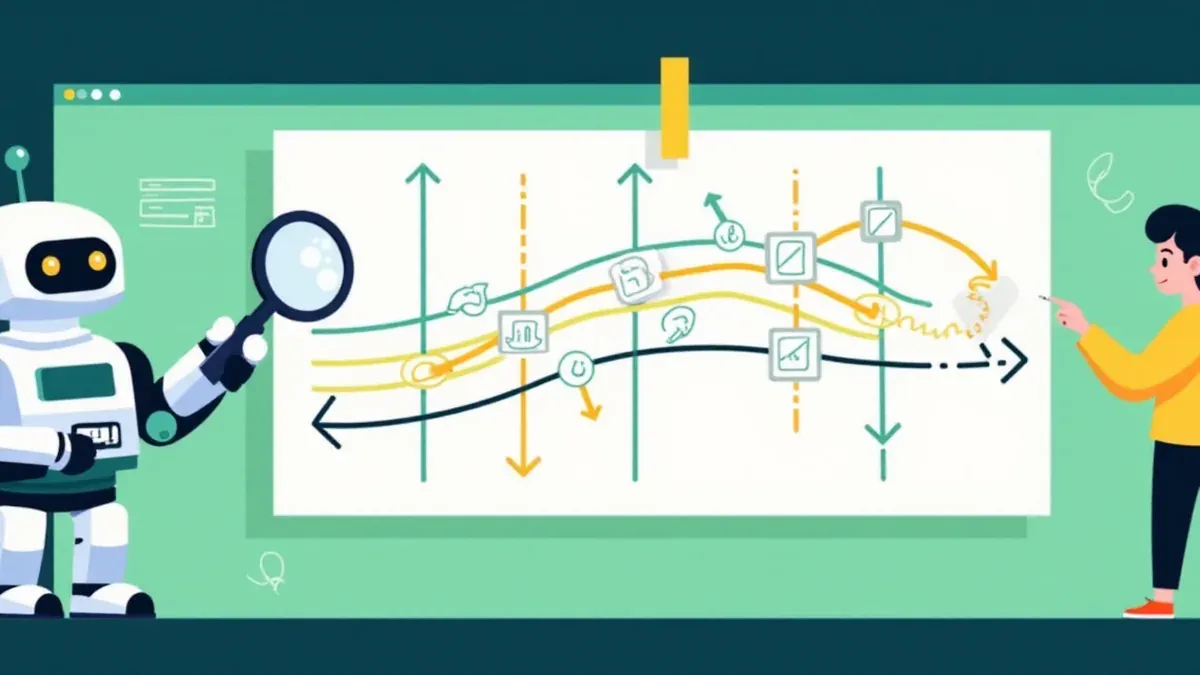
greenai.guide is a new, free site built to answer that question. It is an independent, plain-English guide to measuring, choosing and using AI with less energy, water and waste, written for businesses, researchers, charities, schools and the public, with a source for every figure.
Every page is also published in twelve other languages, from Spanish and German to Japanese, Hindi and Arabic.
The International Energy Agency expects data centre electricity use to more than double by 2030, with AI the biggest driver. Most of the decisions that shape that curve are not made by researchers. They are made by the people who pick a model for a chatbot, write a procurement specification or set a school's AI policy. Those people rarely have time to read a research paper, and the guide meets them where they are.
Its starting point matches what GreenCode keeps finding in software: the cheapest, fastest and greenest option is usually the same one. Green AI is not about refusing to use AI. It is about using a right-sized tool, measuring what it uses, running it on cleaner power and using it where it helps.
The guides draw on published research, including GreenCode's work on energy-efficient software and green AI, and on the discussions at the Green AI Sandpit held this week at the Rutherford Appleton Laboratory, where mathematicians, computer scientists and industry spent two days on how to make AI need less energy. The case for that meeting is in our earlier piece, Green AI is a mathematics problem as much as a hardware one.
In the interest of transparency: greenai.guide is supported by Digital Tactics, the GreenCode partner that leads the project's dissemination work. The site says that supporting it gives Digital Tactics no say over what the guides recommend. Reading it is free, and so is listing a course, PhD, research project or funding call.
We have added links to it where they help on this site too: on the green AI benefit and generative AI feature pages, in Further Resources, on the Teaching page and in the FAQ.
If you work on green AI and run a free course, a research project, a PhD or a funding call, submit it to the guide. If there is a question about AI's footprint you would like GreenCode to look into, let us know.